In today’s digital world, cloud storage has become the ultimate solution for storing, accessing, and securing data from anywhere. It’s fast, reliable, and revolutionizing how we manage information.


What Is Cloud Storage and How Does It Work?

Cloud storage is a technology that allows users to store data on remote servers accessed via the internet, rather than on local hard drives or physical devices. These servers are maintained, operated, and managed by cloud service providers, who ensure data availability, security, and scalability. When you upload a file to the cloud, it’s transferred over the internet to data centers where it’s stored across multiple redundant systems to prevent loss.
Data Centers: The Backbone of Cloud Storage
At the heart of cloud storage are massive data centers—facilities housing thousands of servers located around the world. Companies like Amazon, Google, and Microsoft operate these centers to support their cloud platforms such as AWS S3, Google Cloud Storage, and Microsoft Azure Blob Storage. These centers are designed for high availability, with features like backup power supplies, climate control, and advanced security protocols.
- Redundancy ensures data is replicated across multiple locations.
- Geographic distribution reduces latency and improves access speed.
- Environmental controls maintain optimal server performance.
According to Amazon Web Services, cloud storage systems use distributed architecture to enhance reliability and fault tolerance.
Types of Cloud Storage: Object, Block, and File Storage
Not all cloud storage is the same. There are three primary types, each suited for different use cases:
Object Storage: Ideal for unstructured data like images, videos, and backups.Data is stored as objects with metadata and a unique identifier.Examples include Amazon S3 and Google Cloud Storage.Block Storage: Used for high-performance applications like databases.Data is split into blocks and stored separately, allowing fast access.Common in enterprise environments using AWS EBS or Azure Disk Storage.File Storage: Mimics traditional file systems, organizing data in folders and directories.
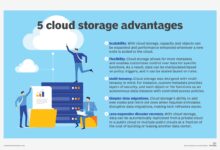
.Best for shared file access and legacy applications.Services like Google Drive and Dropbox use this model.”Cloud storage decouples data from physical hardware, enabling unprecedented flexibility and scalability.” — TechTargetTop 7 Benefits of Using Cloud StorageAdopting cloud storage offers transformative advantages for individuals and organizations alike.From cost savings to enhanced collaboration, the benefits are both immediate and long-term.Let’s explore the seven most compelling reasons why cloud storage is a game-changer..
1. Cost Efficiency and Reduced IT Overhead
Traditional data storage requires significant investment in hardware, maintenance, cooling, and IT staff. Cloud storage eliminates these capital expenditures by offering a pay-as-you-go model. You only pay for the storage you use, and providers handle all infrastructure costs.
- No need to purchase expensive servers or storage arrays.
- Automatic scaling means you’re not overpaying for unused capacity.
- Lower energy and maintenance costs due to off-site hosting.
A report by Gartner estimates that businesses can reduce IT infrastructure costs by up to 40% by migrating to the cloud.
2. Scalability and Flexibility
One of the most powerful features of cloud storage is its ability to scale instantly. Whether you’re a startup or a multinational corporation, you can increase or decrease your storage capacity with just a few clicks. This elasticity is crucial for handling traffic spikes, seasonal demand, or rapid business growth.
- Scale from gigabytes to petabytes without downtime.
- Automated provisioning reduces administrative burden.
- Supports hybrid and multi-cloud strategies for complex needs.
For example, Netflix uses Amazon S3 to store over 100 petabytes of video content, scaling seamlessly during peak viewing hours.
3. Accessibility and Remote Work Enablement
Cloud storage enables access to files from any device with an internet connection—be it a laptop, smartphone, or tablet. This has been a critical enabler of remote work, especially during the global shift accelerated by the pandemic.
- Employees can collaborate in real time from different locations.
- Files are always up to date across devices.
- Supports BYOD (Bring Your Own Device) policies securely.
Tools like Microsoft OneDrive and Google Drive integrate with productivity suites, making file sharing and editing seamless.
4. Enhanced Data Security and Compliance
Contrary to popular belief, cloud storage often provides better security than on-premise solutions. Leading providers invest heavily in encryption, identity management, and threat detection.
- Data is encrypted both in transit and at rest.
- Multi-factor authentication (MFA) adds an extra layer of protection.
- Regular security audits and compliance certifications (e.g., GDPR, HIPAA, SOC 2).
For instance, Google Cloud uses zero-trust security models and advanced AI to detect anomalies in real time.
5. Disaster Recovery and Business Continuity
Data loss from hardware failure, cyberattacks, or natural disasters can be devastating. Cloud storage provides robust disaster recovery solutions by automatically backing up data across geographically dispersed locations.
- Automated backups reduce human error.
- Quick restoration minimizes downtime.
- Geo-redundancy protects against regional outages.
According to IBM, companies using cloud-based backup solutions recover from outages 60% faster than those relying on physical backups.
6. Collaboration and Productivity Boost
Cloud storage platforms are designed for collaboration. Multiple users can view, edit, and comment on documents simultaneously, with changes synced in real time. This eliminates version confusion and accelerates project timelines.
- Real-time co-editing in tools like Google Docs and Microsoft 365.
- Shared folders with customizable permissions.
- Integration with project management and communication apps.
This collaborative environment fosters innovation and reduces email clutter from file attachments.
7. Environmental Sustainability
Cloud storage contributes to greener IT operations. Large providers optimize energy efficiency in their data centers through renewable energy, advanced cooling, and server virtualization.
- Google and Microsoft aim for carbon-neutral operations by 2030.
- Shared infrastructure reduces the carbon footprint per user.
- Less e-waste from decommissioned hardware.
A study by the Lawrence Berkeley National Laboratory found that migrating enterprise software to the cloud could reduce energy consumption by 87%.
Leading Cloud Storage Providers in 2024
The market for cloud storage is dominated by a few key players, each offering unique features, pricing models, and integration capabilities. Choosing the right provider depends on your specific needs—whether it’s personal use, small business, or enterprise-scale deployment.
Amazon Web Services (AWS) S3
AWS S3 (Simple Storage Service) is the most widely used object storage service in the world. Launched in 2006, it set the standard for scalable, durable, and secure cloud storage.
- Offers 99.999999999% (11 nines) durability for stored data.
- Supports lifecycle policies for automatic data tiering.
- Integrates seamlessly with other AWS services like Lambda and EC2.
Used by companies like Airbnb, Dropbox, and Adobe, AWS S3 is ideal for developers and enterprises needing high availability and global reach. Learn more at aws.amazon.com/s3.
Google Cloud Storage
Google Cloud Storage (GCS) is known for its high performance and tight integration with Google’s AI and analytics tools. It offers four storage classes: Standard, Nearline, Coldline, and Archive, catering to different access patterns and cost requirements.
- High-throughput operations for big data and machine learning.
- Native integration with BigQuery and Vertex AI.
- Strong emphasis on data encryption and transparency reports.
Google’s global fiber network ensures low-latency access, making GCS a top choice for data-intensive applications.
Microsoft Azure Blob Storage
Azure Blob Storage is Microsoft’s object storage solution, designed for massive amounts of unstructured data. It’s particularly popular among organizations already using Microsoft 365 or Windows Server environments.
- Supports hierarchical namespace for Hadoop-compatible workloads.
- Integrated with Azure Active Directory for identity management.
- Offers hybrid cloud capabilities via Azure Stack.
With over 90% of Fortune 500 companies using Azure, it’s a trusted platform for enterprise cloud storage.
Dropbox and Google Drive: Consumer-Focused Solutions
While AWS, Google Cloud, and Azure target businesses, Dropbox and Google Drive are optimized for individual users and small teams.
- Dropbox excels in file synchronization and third-party app integrations.
- Google Drive offers 15 GB of free storage and deep integration with Google Workspace.
- Both provide user-friendly interfaces and mobile apps.
These platforms are perfect for personal backups, document sharing, and light collaboration.
Security Concerns and How to Mitigate Them
Despite its many advantages, cloud storage is not without risks. Security remains a top concern for users, especially when dealing with sensitive or regulated data. Understanding these risks and implementing best practices is crucial.
Data Breaches and Unauthorized Access
One of the most feared threats is unauthorized access to cloud-stored data. This can occur due to weak passwords, phishing attacks, or misconfigured permissions.
- Always enable multi-factor authentication (MFA).
- Use strong, unique passwords and password managers.
- Regularly audit user access and permissions.
A 2023 report by McAfee found that 20% of cloud storage misconfigurations led to public exposure of sensitive data.
Data Loss and Vendor Lock-In
Data loss can happen due to accidental deletion, provider outages, or lack of backups. Additionally, migrating data between providers can be complex and costly—a phenomenon known as vendor lock-in.
- Implement a 3-2-1 backup strategy: 3 copies, 2 media types, 1 offsite.
- Use open formats and APIs to ensure portability.
- Choose providers with clear data export policies.
For example, AWS allows data export via Snowball appliances for large-scale migrations.
Compliance and Legal Jurisdiction
Data stored in the cloud may be subject to the laws of the country where the data center is located. This raises concerns about privacy regulations like GDPR (Europe), CCPA (California), and HIPAA (healthcare).
- Verify where your data is stored and processed.
- Ensure your provider complies with relevant regulations.
- Use encryption and data residency controls to maintain compliance.
Microsoft Azure, for instance, offers data residency guarantees for certain regions to meet local legal requirements.
Cloud Storage vs. Traditional Storage: A Comparative Analysis
To fully appreciate the value of cloud storage, it’s essential to compare it with traditional on-premise storage solutions. While both have their place, the shift toward cloud-based systems is undeniable.
Cost Comparison: Upfront vs. Operational Expenses
Traditional storage requires significant upfront investment in hardware, software licenses, and setup. Cloud storage, on the other hand, operates on an operational expenditure (OpEx) model, spreading costs over time.
- On-premise: High CapEx, lower long-term OpEx (after initial investment).
- Cloud: Low or no CapEx, recurring OpEx based on usage.
- Cloud is more predictable and budget-friendly for startups and SMEs.
A 2022 survey by Flexera found that 79% of enterprises cite cost savings as a primary driver for cloud adoption.
Performance and Latency
On-premise storage typically offers lower latency for local access, as data doesn’t travel over the internet. However, cloud providers have minimized this gap through edge computing and content delivery networks (CDNs).
- Local servers provide faster access within the same network.
- Cloud storage performance depends on internet speed and provider infrastructure.
- Hybrid models can balance both: local caching with cloud backup.
For global teams, cloud storage often provides better overall performance due to distributed access points.
Maintenance and Management
Managing on-premise storage requires dedicated IT staff for updates, patches, backups, and troubleshooting. Cloud providers handle all backend maintenance, freeing up internal resources.
- On-premise: High management overhead and skill requirements.
- Cloud: Minimal management; updates are automatic and transparent.
- Cloud reduces the risk of human error in system administration.
This shift allows IT teams to focus on strategic initiatives rather than routine maintenance.
How to Choose the Right Cloud Storage Solution
Selecting the best cloud storage provider involves evaluating several factors, including security, scalability, cost, and integration. A one-size-fits-all approach doesn’t work—your choice should align with your specific goals and constraints.
Assess Your Storage Needs and Use Cases
Begin by identifying what type of data you’re storing and how it will be used. Is it structured or unstructured? Static or frequently accessed? Personal or shared?
- For backups and archives: Consider cold storage options like AWS Glacier.
- For real-time collaboration: Google Drive or Microsoft OneDrive are ideal.
- For enterprise applications: AWS S3 or Azure Blob Storage offer robust APIs.
Understanding your data lifecycle helps determine the right storage class and pricing tier.
Evaluate Security and Compliance Features
Security should be a top priority, especially if you handle sensitive information. Look for providers that offer end-to-end encryption, access controls, and compliance certifications.
- Check for SOC 2, ISO 27001, GDPR, or HIPAA compliance.
- Ensure data encryption both in transit and at rest.
- Review the provider’s incident response and breach notification policies.
For example, Dropbox Business offers advanced admin controls and data loss prevention (DLP) features.
Consider Integration and Ecosystem Compatibility
The best cloud storage solution should integrate smoothly with your existing tools and workflows. Whether it’s Office 365, Slack, or Salesforce, compatibility enhances productivity.
- Google Drive integrates natively with Gmail, Docs, and Meet.
- OneDrive works seamlessly with Microsoft 365 and Teams.
- AWS integrates with thousands of third-party apps via AWS Marketplace.
API availability is crucial for developers building custom applications.
The Future of Cloud Storage: Trends to Watch
Cloud storage is not static—it’s evolving rapidly with advancements in AI, edge computing, and quantum technologies. Staying ahead of these trends ensures you’re prepared for the next wave of innovation.
AI-Powered Data Management
Artificial intelligence is transforming how we organize, search, and secure data in the cloud. AI can automatically classify files, detect anomalies, and optimize storage costs.
- Google’s AI can identify objects in photos without manual tagging.
- Microsoft uses AI to predict storage needs and prevent outages.
- AI-driven security tools detect phishing and malware in real time.
In the near future, AI may auto-delete redundant files or suggest optimal storage tiers.
Edge Cloud Storage
As IoT devices and 5G networks expand, edge computing is bringing cloud storage closer to the data source. Instead of sending all data to central data centers, processing and storage happen locally or regionally.
- Reduces latency for time-sensitive applications like autonomous vehicles.
- Improves bandwidth efficiency by filtering data at the edge.
- Enhances privacy by minimizing data transmission.
Amazon’s AWS Wavelength and Microsoft’s Azure Edge Zones are leading this trend.
Quantum-Safe Encryption
With the rise of quantum computing, traditional encryption methods may become vulnerable. Cloud providers are already developing quantum-resistant algorithms to protect future data.
- Google and IBM are testing post-quantum cryptography.
- NIST is standardizing quantum-safe encryption protocols.
- Future cloud storage will need to support these new standards.
Preparing for this shift now ensures long-term data security.
What is cloud storage?
Cloud storage is a service that allows users to save data on remote servers accessed via the internet. It enables easy access, backup, and sharing of files from any device, with providers managing the infrastructure, security, and scalability.
Is cloud storage safe?
Yes, cloud storage is generally safe, especially with reputable providers who use encryption, multi-factor authentication, and compliance certifications. However, users must also follow best practices like using strong passwords and enabling MFA.
How much does cloud storage cost?
Costs vary by provider and usage. Many offer free tiers (e.g., 15 GB on Google Drive), while paid plans range from $1.99/month for personal use to thousands per month for enterprise solutions based on storage volume and features.
Can I access my cloud storage offline?
Yes, some services like Google Drive and Dropbox allow you to mark files for offline access. These files are cached on your device and synced when you reconnect to the internet.
What happens if a cloud provider shuts down?
Reputable providers give ample notice and tools for data migration. Always maintain backups and avoid vendor lock-in by using standard formats and export options.
Cloud storage has fundamentally changed how we store and interact with data. From cost savings and scalability to enhanced security and collaboration, its benefits are clear. As technology evolves, cloud storage will continue to integrate AI, edge computing, and quantum-safe encryption, making it even more powerful. Whether you’re an individual user or a global enterprise, adopting cloud storage is no longer optional—it’s essential for staying competitive, secure, and efficient in the digital age.
Further Reading:
