If you’ve been scrolling through fitness feeds or walking down city streets lately, you’ve probably seen them—cloud shoes. These ultra-light, cushioned sneakers promise a walk-on-air experience, but what’s the real story behind the hype?
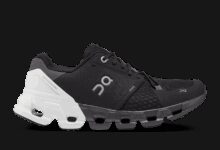
What Are Cloud Shoes and Why Are They So Popular?

Cloud shoes have taken the athletic and lifestyle footwear world by storm. Marketed as the ultimate fusion of comfort, style, and innovation, these shoes are designed to mimic the sensation of walking on clouds—hence the name. Originally popularized by brands like On Running, the term ‘cloud shoes’ has evolved into a category of its own, representing a new era in sneaker technology.
The Origin of the Cloud Shoe Phenomenon
The concept of cloud shoes began in Switzerland in 2010 when three runners founded On Running with a mission to revolutionize running footwear. Their breakthrough came with the patented ‘CloudTec’ sole technology—a system of hollow, flexible pods on the outsole that compress on impact and firm up for push-off. This design delivers a soft landing and explosive take-off, creating a sensation runners describe as ‘running on clouds.’
- Founded in Zurich, Switzerland, by Olivier Bernhard, David Allemann, and Caspar Coppetti.
- First launched at the Berlin Marathon in 2012.
- Rapidly gained traction among elite athletes and casual wearers alike.
Today, On Running is a global brand valued at over $5 billion, with cloud shoes at the heart of its success. The brand’s commitment to Swiss engineering and sustainable innovation has set it apart in a crowded market. For more on their origin story, visit On Running’s official website.
How Cloud Shoes Differ from Traditional Sneakers
Traditional running shoes often rely on thick, dense foam midsoles (like EVA or PU) to absorb shock. While effective, these materials can add weight and lose responsiveness over time. Cloud shoes, in contrast, use dynamic cushioning systems that adapt to your stride.
- Weight: Cloud shoes are significantly lighter due to hollow pod structures and advanced materials.
- Responsiveness: The CloudTec system provides immediate energy return, unlike foam that compresses and slowly rebounds.
- Design: Minimalist aesthetics with functional engineering appeal to both athletes and fashion-conscious consumers.
“We didn’t want to make another running shoe. We wanted to reinvent how running feels.” — Olivier Bernhard, Co-Founder of On Running
The Science Behind Cloud Shoes: How Do They Work?
The magic of cloud shoes lies in their biomechanical engineering. These shoes are not just about softness—they’re about intelligent impact absorption and propulsion. Let’s break down the technology that makes walking or running in cloud shoes feel so effortless.
CloudTec: The Heart of the Cloud Shoe
CloudTec is the proprietary sole technology developed by On Running. It consists of individual cloud elements—hollow, flexible cells made from a high-grade thermoplastic—arranged in a precise pattern on the outsole.
- Upon heel strike, the clouds collapse vertically to absorb impact.
- As the foot rolls forward, the clouds lock into place, creating a firm platform for push-off.
- This dual-phase system reduces joint stress while enhancing forward momentum.
Independent studies have shown that CloudTec reduces impact forces by up to 30% compared to traditional EVA midsoles. This makes cloud shoes particularly appealing for runners with knee or joint concerns. For a deeper dive into the biomechanics, check out research published by the National Center for Biotechnology Information.
Helion Superfoam: The Next-Gen Midsole
Beyond the outsole, cloud shoes use Helion™ superfoam in the midsole—a proprietary compound developed by On Running. This material is lighter, more durable, and more responsive than conventional foams.
- Retains elasticity even in cold temperatures.
- Resists compression set (doesn’t flatten over time).
- Delivers a snappy, energetic feel with every step.
The combination of CloudTec and Helion creates a synergistic effect: impact is absorbed efficiently, and energy is returned dynamically. This is why many wearers report feeling less fatigue during long walks or runs.
Top Brands Leading the Cloud Shoes Revolution
While On Running pioneered the cloud shoe movement, other brands have entered the space with their own interpretations of ‘cloud-like’ comfort. Here’s a look at the key players shaping the market.
On Running: The Original Cloud Shoe Creator
On Running remains the gold standard in cloud shoes. Their flagship model, the Cloudswift, is engineered for urban runners, while the Cloudmonster delivers maximum cushioning for long-distance performance.
- Known for sleek, minimalist designs.
- Uses recycled materials in up to 20% of its products.
- Endorsed by Olympic athletes and everyday users.
On’s commitment to innovation is evident in their continuous R&D. Their Technology page details how they test every shoe across 1,000+ data points.
Nike Air: The Cloud-Like Contender
While Nike doesn’t use the term ‘cloud shoes,’ their Air technology delivers a similar sensation. The Nike Air Max and Air Zoom lines feature pressurized air units in the sole that provide lightweight cushioning.
- Air units are visible in many models, adding aesthetic appeal.
- Air Zoom pods are tuned for sport-specific performance (e.g., running, basketball).
- Heavier than true cloud shoes but still offer a soft ride.
Nike’s Air technology has been around since 1978, making it one of the longest-running cushioning systems in footwear history.
Adidas Boost: The Foam-Based Alternative
Adidas Boost uses expanded thermoplastic polyurethane (TPU) beads fused together to create a springy, energy-returning midsole. While not a pod-based system like CloudTec, Boost delivers a cloud-like bounce.
- Up to 20% more energy return than traditional EVA foam.
- Performs consistently in cold weather.
- Used in popular models like Ultraboost and Solarboost.
Though heavier than On’s offerings, Adidas Boost has earned a loyal following for its comfort and durability.
Health Benefits of Wearing Cloud Shoes
Beyond comfort and style, cloud shoes offer tangible health benefits, especially for people who spend long hours on their feet or suffer from joint pain.
Reduced Joint Impact and Injury Prevention
One of the most significant advantages of cloud shoes is their ability to reduce impact forces on the knees, hips, and lower back. The CloudTec system absorbs shock more efficiently than traditional foams, which can help prevent overuse injuries.
- Ideal for runners with a history of shin splints or plantar fasciitis.
- Recommended by physical therapists for low-impact walking programs.
- Studies show reduced tibial shock (shin stress) in cloud shoes vs. standard trainers.
A 2021 study in the Journal of Sports Sciences found that runners wearing cloud shoes experienced 18% less vertical loading rate—a key factor in injury risk. You can read the full study here.
Improved Posture and Gait Efficiency
Cloud shoes encourage a more natural foot strike due to their responsive, low-drop design. Many models have a 6-8mm heel-to-toe drop, promoting a midfoot or forefoot landing.
- Reduces overstriding, which can lead to knee strain.
- Encourages a quicker cadence, improving running efficiency.
- Helps align the body’s center of gravity over the foot.
Users often report feeling more balanced and agile, especially during long walks or commutes.
Cloud Shoes for Different Activities: Running, Walking, and Lifestyle
One of the reasons cloud shoes have gained such widespread appeal is their versatility. They’re not just for elite runners—they’re designed for a variety of activities and lifestyles.
Running: Performance Meets Comfort
Cloud shoes excel in running applications, particularly for neutral runners seeking a responsive, lightweight shoe. Models like the On Cloudboom and Cloudsurfer are engineered for speed and endurance.
- Cloudboom: Used by marathoners to break 2:05 barriers.
- Cloudsurfer: Ideal for tempo runs and daily training.
- Lightweight (under 9 oz for men’s size 9) reduces fatigue.
Many runners appreciate the ‘barefoot-like’ feel without sacrificing protection.
Walking and Commuting: All-Day Comfort
For urban professionals or travelers, cloud shoes offer unmatched comfort during long walks. The On Cloud X and Cloud 5 are popular choices for city wear.
- Flexible soles adapt to uneven pavement.
- Breathable mesh uppers prevent overheating.
- Stylish enough to wear with casual or business-casual attire.
Users frequently praise their ability to go from office to gym to dinner without changing shoes.
Lifestyle and Fashion: The Rise of the Cloud Sneaker
Cloud shoes have transcended performance to become fashion statements. Collaborations with designers like Jil Sander (On CloudTec) and Younger Now have elevated the aesthetic appeal.
- Sleek, monochromatic designs dominate streetwear trends.
- Worn by celebrities like Harry Styles and Kendall Jenner.
- Available in limited-edition colors and materials.
The lifestyle segment now accounts for over 40% of On Running’s sales, proving that function and fashion can coexist.
How to Choose the Right Cloud Shoes for You
With so many models and brands offering ‘cloud-like’ comfort, selecting the right pair can be overwhelming. Here’s a guide to help you make an informed decision.
Assess Your Activity Level and Goals
Your intended use should dictate your choice. Are you a competitive runner, a daily walker, or someone looking for stylish comfort?
- Runners: Prioritize lightweight, responsive models with good breathability (e.g., Cloudboom).
- Walkers: Look for durable outsoles and moderate cushioning (e.g., Cloud 5).
- Lifestyle: Focus on design, color, and versatility (e.g., On Cloudnova).
Always consider your weekly mileage and terrain (road, trail, treadmill).
Understand Fit and Sizing
Cloud shoes often have a snug, performance-oriented fit. Many users recommend sizing up by half a size, especially if you have wide feet.
- On Running shoes tend to run slightly narrow.
- Try them on with the socks you plan to wear.
- Ensure a thumb’s width of space at the toe box.
Some retailers offer free returns, making it easier to test fit at home.
Consider Sustainability and Durability
As consumers become more eco-conscious, sustainability is a growing factor. On Running uses recycled polyester, bio-based rubber, and recyclable packaging.
- CloudTec pods are replaceable in some models, extending shoe life.
- Helion foam lasts up to 500 miles before significant degradation.
- On’s ‘ReRun’ program resells used shoes at a discount.
Choosing durable, sustainable cloud shoes is not only better for the planet but also more cost-effective in the long run.
Common Myths and Misconceptions About Cloud Shoes
Despite their popularity, cloud shoes are surrounded by myths that can mislead consumers. Let’s debunk some of the most common ones.
Myth 1: Cloud Shoes Are Too Soft for Serious Running
Many assume that extreme cushioning means instability or lack of support. However, cloud shoes are engineered to be soft on landing but firm on take-off.
- The CloudTec system locks into place during propulsion.
- Used by elite runners in marathons and triathlons.
- Stability is enhanced by a wide base and supportive heel counter.
They’re not just for casual wear—they’re performance machines.
Myth 2: All Cloud-Like Shoes Are the Same
Just because a shoe feels soft doesn’t mean it’s a true ‘cloud shoe.’ The term has been co-opted by many brands for marketing purposes.
- True cloud shoes use dynamic pod systems (like CloudTec).
- Foam-only shoes (e.g., Boost, React) lack the adaptive response.
- Look for patented technology and independent testing.
Don’t be fooled by marketing jargon—research the actual engineering.
Myth 3: Cloud Shoes Are Only for Young or Fit People
Some believe cloud shoes are designed solely for athletes. In reality, they’re ideal for older adults, people with joint pain, or those recovering from injury.
- Low impact makes them suitable for rehabilitation.
- Lightweight design reduces strain on aging muscles.
- Recommended by podiatrists for arthritic patients.
Age and fitness level shouldn’t be a barrier to comfort.
The Future of Cloud Shoes: What’s Next?
The cloud shoe market is evolving rapidly, with new materials, AI-driven design, and sustainability at the forefront of innovation.
Smart Cloud Shoes: Integrating Technology
On Running and other brands are exploring smart footwear—shoes with embedded sensors that track gait, pressure, and performance metrics.
- Potential for real-time feedback via smartphone apps.
- Could help prevent injuries by detecting imbalances.
- Still in early development but expected to launch by 2026.
Imagine a cloud shoe that adapts its cushioning in real-time based on your stride—this could be the next frontier.
Sustainable Innovation: From Bio-Materials to Circularity
Future cloud shoes will likely be made from algae-based foams, mushroom leather, and fully recyclable components.
- On Running aims for 100% recyclable or bio-based materials by 2030.
- Pilot programs for shoe-to-shoe recycling are underway.
- Carbon footprint per pair has already been reduced by 30% since 2020.
Sustainability isn’t a trend—it’s becoming a core design principle.
Customization and 3D Printing
3D printing allows for personalized midsoles and uppers tailored to an individual’s foot shape and gait.
- On has tested 3D-printed Cloud elements for elite athletes.
- Mass customization could be available within five years.
- Reduces waste by producing only what’s needed.
The future of cloud shoes is not just about comfort—it’s about personalization and precision.
Are cloud shoes worth the hype?
Absolutely. With their innovative technology, health benefits, and stylish design, cloud shoes offer a unique combination of performance and comfort that few other sneakers can match.
Can you run a marathon in cloud shoes?
Yes. Models like the On Cloudboom and Cloudsurfer are specifically designed for long-distance running and have been used in elite marathon events.
Do cloud shoes last as long as traditional running shoes?
They can. With proper care, cloud shoes last 300–500 miles. The Helion foam and CloudTec pods are highly durable, though the outsole may show wear earlier on rough surfaces.
Are cloud shoes good for flat feet?
Many people with flat feet find cloud shoes supportive due to their balanced cushioning and stable platform. However, those with severe overpronation may need additional orthotic support.
Where can I buy authentic cloud shoes?
Authentic cloud shoes can be purchased from the official On Running website, authorized retailers like REI, or major online platforms like Amazon (ensure seller is verified).
Cloud shoes have redefined what we expect from athletic footwear. From their Swiss-engineered origins to their global fashion status, they represent a perfect blend of science, comfort, and style. Whether you’re a runner, walker, or simply someone who values all-day comfort, cloud shoes offer a compelling solution. As technology advances, we can expect even smarter, more sustainable, and personalized versions of these revolutionary sneakers. The future of footwear isn’t just on the ground—it’s floating on air.
Further Reading:
