Cloud bread—light, fluffy, and almost too good to be true. This viral low-carb, gluten-free alternative to traditional bread has taken kitchens by storm. Discover why it’s more than just a trend.
What Is Cloud Bread?

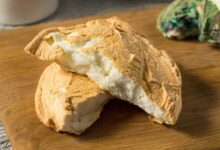
Cloud bread, sometimes referred to as “unicorn bread” or “egg cloud,” is a soft, airy baked creation made primarily from eggs, cream cheese, and cream of tartar. It’s known for its pillow-like texture and melt-in-your-mouth quality, making it a favorite among those avoiding carbs or gluten.
Origins and Popularity
The concept of cloud bread isn’t entirely new. It evolved from a French dessert called “gâteau renversé aux œufs” or more commonly known as “egg cloud” or “cloud cake”—a sweet meringue-based confection. However, its transformation into a savory, bread-like substitute gained traction during the low-carb and keto diet booms of the 2010s.
- First gained viral attention on social media platforms like Pinterest and Instagram around 2016.
- Popularized by health bloggers and keto influencers as a guilt-free sandwich base.
- Adapted globally with regional twists, including sweet versions with honey or vanilla.
“Cloud bread is the closest thing to real bread that I’ve found on keto.” — Popular comment on Reddit’s r/keto community.
Basic Ingredients and Their Roles
The magic of cloud bread lies in its simplicity. Only a handful of ingredients are needed, each playing a crucial role in achieving that signature fluffiness.
- Egg whites: Provide structure and volume when whipped into stiff peaks.
- Cream cheese: Adds richness, moisture, and helps bind the mixture.
- Cream of tartar: Stabilizes the egg whites, preventing them from deflating.
- Sugar (optional): Used in sweet versions to enhance browning and flavor.
Some variations substitute cream cheese with Greek yogurt or cottage cheese for a tangier profile or lower fat content.
Why Cloud Bread Went Viral
The rise of cloud bread wasn’t accidental. It rode the wave of several powerful dietary and cultural trends, making it a staple in modern health-conscious kitchens.
The Keto and Low-Carb Movements
As ketogenic and low-carbohydrate diets surged in popularity, the demand for bread alternatives skyrocketed. Traditional bread, packed with refined carbs, became a dietary enemy for many. Enter cloud bread—a nearly zero-carb solution that mimics the texture of buns and rolls.
According to a Healthline keto guide, the average slice of cloud bread contains less than 1 gram of net carbs, making it ideal for strict keto followers.
- Perfect for replacing hamburger buns, toast, or sandwich bases.
- High in protein and fat, aligning with macronutrient goals of keto dieters.
- Easy to prepare with pantry staples, reducing reliance on expensive store-bought alternatives.
Social Media and Visual Appeal
Cloud bread is as photogenic as it is tasty. Its white, cloud-like appearance makes it highly shareable on platforms like Instagram and TikTok. Videos showing the dramatic puffing in the oven or the gentle squish of a finished loaf go viral regularly.
- Hashtag #cloudbread has over 200,000 posts on Instagram.
- TikTok videos demonstrating quick 3-ingredient recipes have millions of views.
- Influencers often pair it with avocado, bacon, or gourmet burgers for aesthetic appeal.
“It looks like something from a fairy tale. I had to make it just to see if it was real.” — First-time baker on YouTube comment section.
How to Make Cloud Bread: Step-by-Step
Creating cloud bread is surprisingly simple, requiring no special equipment beyond a mixing bowl and a baking sheet. Here’s a tried-and-true method that guarantees success.
Classic Cloud Bread Recipe
This basic version yields 4-6 small buns and takes about 30 minutes from start to finish.
- Separate 3 large eggs, placing whites in a clean bowl and yolks with 3 oz cream cheese in another.
- Whip egg whites with 1/4 tsp cream of tartar until stiff peaks form.
- Mix egg yolks and cream cheese until smooth, then gently fold into the whites.
- Scoop mounds onto a parchment-lined baking sheet, shape slightly with a spoon.
- Bake at 300°F (150°C) for 25-30 minutes until golden and firm.
For a detailed visual guide, check out this step-by-step YouTube tutorial.
Tips for Perfect Results
Even though the recipe is simple, a few nuances can make or break your cloud bread.
- Ensure no yolk contaminates the whites—fat prevents proper whipping.
- Use room-temperature eggs for maximum volume.
- Don’t overmix when folding; keep air in the batter.
- Bake low and slow to avoid browning too quickly while staying raw inside.
- Let cool completely—they firm up as they cool.
Variations of Cloud Bread
One of the best things about cloud bread is its versatility. With minor tweaks, you can create sweet, savory, colorful, or even flavored versions to suit any meal.
Savory Cloud Bread
Perfect for breakfast sandwiches or as a side to soups and salads.
- Add grated cheddar, parmesan, or mozzarella for a cheesy twist.
- Mix in herbs like rosemary, thyme, or chives.
- Incorporate garlic powder, onion powder, or smoked paprika for depth.
- Top with everything bagel seasoning before baking.
Try pairing savory cloud bread with a fried egg and spinach for a keto-friendly brunch. For recipe inspiration, visit Simply Recipes’ savory cloud bread guide.
Sweet Cloud Bread
These versions lean into dessert territory and are great for snacks or light sweets.
- Add 1-2 tsp of sugar or stevia to the yolk mixture.
- Include vanilla extract or almond extract for flavor.
- Top with cinnamon or drizzle with sugar-free syrup after baking.
- Fill with whipped cream and berries for a mini pavlova effect.
Sweet cloud bread can even be used as a base for mini cheesecakes or Eton mess parfaits.
Colored and Fun Cloud Bread for Kids
Make healthy eating fun with naturally colored cloud bread.
- Add beet juice for pink clouds.
- Use matcha powder for green.
- Spirulina for blue-green hues.
- Cocoa powder for chocolate clouds (minimal amount to avoid deflating).
These are especially popular in bento boxes or as part of a rainbow-themed kids’ meal.
Nutritional Profile of Cloud Bread
Understanding the nutritional value of cloud bread is essential, especially for those using it as a dietary substitute.
Macronutrient Breakdown
Per serving (1 cloud, approximately 1/4 of recipe):
- Calories: ~80-100
- Protein: 5-6g (from eggs)
- Fat: 7-8g (mostly from cream cheese and egg yolks)
- Carbohydrates: 1-2g total, 0.5-1g net carbs
This makes cloud bread an excellent choice for high-protein, low-carb diets. It’s also naturally gluten-free and grain-free, suitable for celiacs and those with sensitivities.
Health Benefits and Considerations
While cloud bread is healthier than white bread in terms of carbs and additives, it’s not a miracle food.
- Pros: High in protein, low in sugar, free from preservatives, supports satiety.
- Cons: High in cholesterol and saturated fat (due to cream cheese), low in fiber, not a complete meal on its own.
- Best used as a vehicle for nutrient-dense fillings like avocado, smoked salmon, or grilled vegetables.
For a comprehensive nutritional analysis, refer to NutritionData.self.com.
Cloud Bread vs. Traditional Bread
How does cloud bread stack up against the real thing? Let’s compare them across several key factors.
Taste and Texture Comparison
Cloud bread doesn’t taste like wheat bread—it’s not supposed to. Instead, it offers a unique sensory experience.
- Texture: Cloud bread is soft, springy, and slightly chewy, but lacks the crust and chew of sourdough or sandwich bread.
- Taste: Mild, eggy, and creamy, with a neutral base that takes on added flavors well.
- Mouthfeel: Melts more than chews, which some love and others find unsatisfying.
It’s less of a replacement and more of a creative alternative.
Nutritional Showdown
When comparing a slice of white bread to one cloud bread portion:
- White bread: ~80 calories, 15g carbs, 2g protein, 1g fat, enriched with B vitamins.
- Cloud bread: ~90 calories, 1g carb, 6g protein, 7g fat, naturally rich in choline and selenium.
Winner depends on goals: choose traditional bread for energy and fiber, cloud bread for low-carb and high-protein needs.
Environmental and Cost Impact
Cloud bread uses fewer ingredients but relies heavily on eggs and dairy.
- Eggs have a moderate carbon footprint; sourcing locally can reduce impact.
- Cream cheese is more resource-intensive than flour.
- Cost per serving is higher than mass-produced bread but competitive with artisanal or gluten-free loaves.
For budget-conscious bakers, making large batches and freezing extras is recommended.
Common Mistakes When Making Cloud Bread
Even simple recipes can go wrong. Here are the most frequent errors and how to avoid them.
Using Cold Eggs or Dirty Bowls
Cold eggs don’t whip as well, and any grease or yolk residue can prevent whites from forming stiff peaks.
- Always use room-temperature eggs.
- Wash bowls and beaters with hot, soapy water and dry thoroughly.
- Wipe bowls with a lemon wedge to ensure no fat remains.
Overmixing or Underbaking
Overmixing deflates the airy batter, leading to flat, dense clouds. Underbaking leaves them soggy inside.
- Fold ingredients gently in 3 batches, using a spatula in a figure-eight motion.
- Bake until firm to the touch and lightly golden—do the toothpick test.
- Allow to cool fully; they continue to set as they lose heat.
Skipping Cream of Tartar
While you can omit cream of tartar, the result is less stable and more prone to collapse.
- Substitute with lemon juice or white vinegar (1/2 tsp per egg white).
- These acids help stabilize the protein structure in egg whites.
- Never skip stabilization entirely if you want reliable lift.
Storing and Reheating Cloud Bread
Cloud bread is best fresh but can be stored and revived with proper techniques.
Refrigeration and Shelf Life
Store cooled cloud bread in an airtight container in the fridge for up to 5 days.
- They may soften slightly due to moisture absorption.
- Place parchment between layers to prevent sticking.
- Not ideal for long-term storage due to texture degradation.
Freezing for Long-Term Use
Freezing is the best option for preserving cloud bread.
- Flash freeze individual buns on a tray, then transfer to a freezer bag.
- Store for up to 3 months.
- Thaw at room temperature or reheat directly from frozen.
Reheating Methods
To restore freshness and texture:
- Oven: 300°F for 5-8 minutes—best for crispness and warmth.
- Toaster: Use low setting; watch closely to avoid burning.
- Skillet: Lightly toast in butter for a golden crust.
- Not recommended: Microwave—it makes them rubbery.
Cloud Bread in Global Cuisines
While cloud bread is a modern internet phenomenon, similar airy egg-based dishes exist worldwide.
French Îles Flottantes (Floating Islands)
A classic French dessert of poached meringue floating in custard. While sweet, it shares the same ethereal texture principle as cloud bread.
- Both rely on whipped egg whites for volume.
- Cloud bread is baked; îles flottantes are poached.
- Represents a culinary bridge between dessert and bread.
Japanese Soufflé Pancakes
These ultra-fluffy pancakes use a similar technique—folding whipped egg whites into a custard base.
- Often served with syrup and fruit.
- Require careful cooking in a covered pan or oven.
- Demonstrate how texture can redefine a category (pancake vs. bread).
For a delicious twist, try making cloud bread pancakes—same ingredients, different shape.
Mediterranean Egg Clouds
In parts of Greece and Turkey, baked egg and cheese mixtures are served as breakfast or meze.
- Often include feta, oregano, and tomatoes.
- Baked in small ramekins for individual portions.
- Functionally similar to savory cloud bread.
This shows how cloud bread fits into a broader tradition of simple, protein-rich baked egg dishes.
Cloud Bread for Special Diets
One of the biggest appeals of cloud bread is its adaptability to various dietary needs.
Keto and Low-Carb Diets
As previously mentioned, cloud bread is a cornerstone of many keto meal plans.
- Used as buns for burgers, sandwiches, or pulled pork.
- Paired with high-fat toppings like guacamole or bacon.
- Helps satisfy bread cravings without breaking ketosis.
Gluten-Free and Grain-Free Lifestyles
Unlike many gluten-free breads that rely on starch-heavy flours, cloud bread is naturally grain-free.
- No risk of cross-contamination with gluten.
- Free from gums and binders like xanthan gum.
- Ideal for those with celiac disease or gluten sensitivity.
Diabetic-Friendly Option
Due to its minimal carbohydrate content, cloud bread has a negligible impact on blood sugar.
- Low glycemic index—doesn’t spike insulin levels.
- Can be included in diabetic meal plans with proper portion control.
- Always consult a healthcare provider before making dietary changes.
Cloud Bread as a Culinary Canvas
Beyond sandwiches and snacks, cloud bread can be a creative base for gourmet and playful dishes.
Gourmet Appetizers and Canapés
Use mini cloud bread rounds as edible bases for elegant hors d’oeuvres.
- Top with smoked salmon, cream cheese, and dill.
- Layer with goat cheese, fig jam, and walnuts.
- Fill with tuna salad or chicken ekiben-style.
Perfect for parties or brunch spreads.
Dessert Applications
Sweetened cloud bread can double as a dessert component.
- Fill with lemon curd and berries for a mini tart.
- Drizzle with chocolate and serve with ice cream.
- Use as a gluten-free pavlova alternative.
Its neutral flavor makes it a versatile sweet canvas.
Kid-Friendly Creations
Turn cloud bread into fun, healthy snacks for children.
- Make animal shapes using cookie cutters.
- Create rainbow clouds with natural food dyes.
- Let kids assemble their own mini sandwiches.
Encourages creativity and healthy eating habits.
Is cloud bread healthy?
Cloud bread is a healthier alternative to white bread for those on low-carb, keto, or gluten-free diets. It’s high in protein and low in carbs but also high in fat and cholesterol. Best consumed in moderation as part of a balanced diet.
Can I make cloud bread without cream cheese?
Yes, you can substitute cream cheese with Greek yogurt, cottage cheese, or even silken tofu for a lighter or dairy-free version. The texture may be slightly less rich, but still fluffy.
Why did my cloud bread collapse?
Collapsing is usually due to underbaking, overmixing, or using cold ingredients. Ensure egg whites are whipped to stiff peaks, bake long enough, and let the bread cool completely in the oven with the door slightly open.
How long does cloud bread last?
Fresh cloud bread lasts 2-3 days at room temperature, up to 5 days in the fridge, and up to 3 months in the freezer. Reheat before serving for best texture.
Is cloud bread suitable for vegans?
Traditional cloud bread is not vegan, as it relies on eggs. However, some experimental versions use aquafaba (chickpea brine) as a meringue substitute, though results vary in texture and stability.
Cloud bread is more than just a fleeting food trend—it’s a creative, adaptable solution for modern dietary needs. From its viral rise on social media to its roots in classic baking techniques, it offers a unique blend of simplicity and innovation. Whether you’re on keto, gluten-free, or just curious, cloud bread invites experimentation. With the right technique, it can be a delicious, nutritious, and fun addition to your culinary repertoire. So preheat your oven, whip those egg whites, and let your imagination rise as high as your clouds.
Further Reading:
